

Hedge trimmers help keep your garden neat and tidy. But to last a long time, these tools need care. If you want your hedge trimmer to work well for years, follow this simple checklist. It will help you keep your tool safe and strong.
Why Maintain Your Hedge Trimmer?
When you use your hedge trimmer often, parts get dirty and wear out. This can make it work slowly or stop working at all. Regular care helps the trimmer cut better and last longer. It also keeps you safe while trimming.
Types of Hedge Trimmers
There are three main kinds:
- Electric Hedge Trimmers: Use electricity. They need less fuel but careful cable handling.
- Battery Hedge Trimmers: Portable and easy to use. They need battery charging and care.
- Gas Hedge Trimmers: Use fuel. They need more cleaning and engine care.
Each type needs some different care steps.
Before You Start: Safety First
Always make sure your hedge trimmer is off before cleaning or fixing it. For electric types, unplug the power cord. For battery types, remove the battery. For gas types, turn off the engine and let it cool.
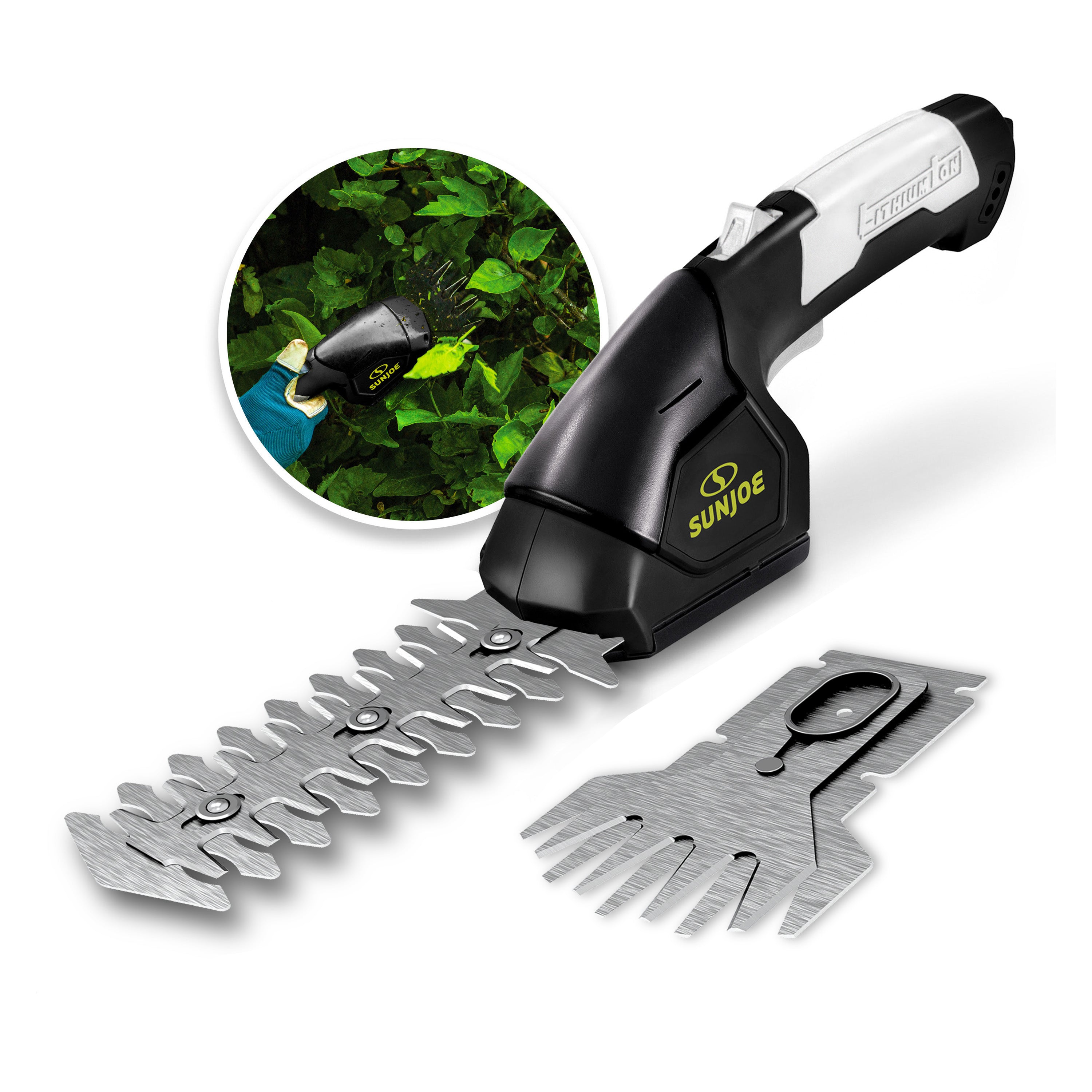
Credit: shopjoe.com
Hedge Trimmer Maintenance Checklist
1. Clean The Blades
After every use, clean the blades. Dirt and sap can stick and make cutting hard. Use a soft brush or cloth. Wipe off dirt and sticky parts. For tough sap, use soapy water or a special cleaner. Dry the blades well to stop rust.
2. Check The Blades For Damage
Look closely at the blades. Are there dents or broken teeth? Damaged blades cut poorly and can be dangerous. If you see problems, fix or replace them soon.
3. Sharpen The Blades
Dull blades make trimming hard. Sharpen your blades often. You can use a flat file or sharpening stone. Move the tool carefully along the blade edge. Keep the same angle as the blade edge. If you don’t want to do it yourself, a professional can help.
4. Oil The Blades
Oiling blades stops rust and helps them move smoothly. Use a light machine oil or special blade oil. Put a small amount on the blade edges. Wipe off extra oil to avoid dirt build-up.
5. Check The Screws And Bolts
Look at all screws and bolts on the trimmer. Are they tight? Loose parts can cause damage or injury. Use a screwdriver or wrench to tighten them if needed. Don’t make them too tight or you might break something.
6. Inspect The Power Source
- Electric Hedge Trimmers: Check the power cord for cuts or damage. If you see any, do not use it until fixed.
- Battery Hedge Trimmers: Keep batteries charged but not overcharged. Store batteries in a cool, dry place.
- Gas Hedge Trimmers: Check the fuel tank for leaks. Use fresh fuel mixed with oil if needed. Old fuel can clog the engine.
7. Clean Or Replace Air Filter (gas Trimmers)
The air filter stops dust from entering the engine. If it is dirty, the engine runs poorly. Clean it with warm soapy water and dry it. Replace it if it is very dirty or broken.
8. Check The Spark Plug (gas Trimmers)
The spark plug helps start the engine. Check it every few months. If it looks dirty or worn, clean or replace it. This keeps the engine running smoothly.
9. Lubricate Moving Parts
Some parts move a lot inside the trimmer. These need oil or grease to work well. Check the manual for where to put lubricant. Use the right type to avoid damage.
10. Store The Hedge Trimmer Properly
When not using your trimmer, store it in a dry place. Keep it away from rain or wet ground. Cover the blades with a sheath or cloth to protect them. For gas trimmers, empty the fuel if you store it for a long time.
Seasonal Maintenance
At the start and end of the trimming season, do extra checks:
- Clean the entire tool thoroughly.
- Sharpen and oil blades well.
- Check power source carefully.
- Inspect all parts for wear or damage.
This helps your trimmer be ready for long use.
Simple Tools You Need for Maintenance
| Tool | Purpose |
|---|---|
| Soft Brush or Cloth | Cleaning dirt and sap from blades |
| Flat File or Sharpening Stone | Sharpening blades |
| Screwdriver and Wrench | Tightening screws and bolts |
| Light Machine Oil | Oiling blades and moving parts |
| Soap and Water | Cleaning air filters and blades |
| Replacement Parts | For broken blades, spark plugs, or air filters |
Tips to Keep Your Hedge Trimmer Working Well
- Always clean after every use.
- Sharpen blades before trimming thick branches.
- Check power cords and batteries regularly.
- Use the right fuel and oil for gas trimmers.
- Store the trimmer safely and dry.
- Handle the trimmer gently to avoid damage.
- Follow the user manual for special care advice.

Credit: www.mainstreetmower.com
Signs Your Hedge Trimmer Needs Repair
Watch for these signs:
- Blades do not cut cleanly.
- The trimmer makes strange noises.
- The engine is hard to start (gas models).
- The trimmer stops suddenly during use.
- Power cords or batteries feel hot or damaged.
If you see these, stop and fix the problem quickly.
Frequently Asked Questions
How Often Should I Clean My Hedge Trimmer Blades?
Cleaning blades after every use removes sap and dirt. This keeps blades sharp and prevents rust. Regular cleaning improves cutting performance and tool life.
What Type Of Oil Is Best For Hedge Trimmer Maintenance?
Use light machine oil or blade oil for trimming tools. These oils prevent rust and keep blades moving smoothly. Avoid thick or sticky oils that attract dirt.
How Do I Sharpen Hedge Trimmer Blades Safely?
Use a flat file or sharpening stone to sharpen blades. Always wear gloves and follow the blade angle carefully. Sharpening improves cutting speed and reduces motor strain.
When Should I Replace Hedge Trimmer Blades?
Replace blades if they are cracked, bent, or very dull. Blades that don’t sharpen well reduce cutting quality. New blades ensure efficient and safe trimming.
Conclusion
Taking care of your hedge trimmer is simple. Follow this checklist after each use and during the season. Clean, sharpen, oil, and check all parts. Store your tool properly. This will help it last many years. You will save money and time by avoiding big repairs. A well-kept hedge trimmer makes your garden beautiful and your work easier.
Remember, a little care goes a long way.