

Hedge trimmers help keep your garden neat and tidy. They cut branches and leaves quickly. But like all tools, they need care. Sometimes, the blade on your hedge trimmer stops working well. When this happens, you must replace it. But how do you know when to change the blade? This article will explain the signs that your hedge trimmer blade needs replacement.
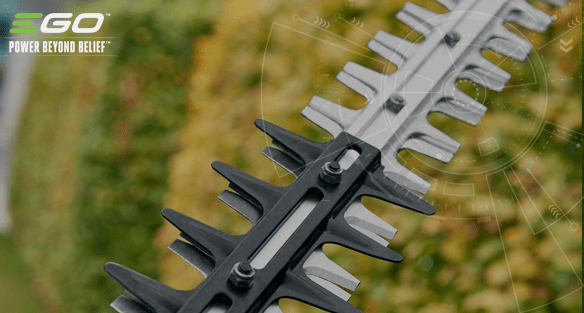
Credit: egopowerplus.eu
Why Is the Blade Important?
The blade is the sharp part that cuts the plants. If the blade is sharp, it cuts cleanly. If it is dull or broken, it can hurt your plants. A bad blade also makes your work harder. You may need more time and effort to finish trimming.
Signs You Should Replace Your Hedge Trimmer Blade
1. Blade Cuts Poorly
The most clear sign is poor cutting. If the blade pulls or tears branches instead of cutting them, it is dull. A sharp blade cuts the branch in one clean move. A dull blade will leave jagged edges or crush the branch.
2. You See Visible Damage On The Blade
Look closely at the blade. Are there chips or cracks? Small dents or missing teeth? These damages affect how well the blade cuts. If you see any damage, it is time for a new blade.
3. The Blade Moves Slowly Or Feels Stuck
When you turn on your hedge trimmer, the blade should move fast and smooth. If the blade moves slowly or gets stuck, it might be damaged or worn out. This can make cutting harder and unsafe.
4. The Blade Makes Strange Noises
A healthy blade sounds normal. But if you hear grinding, rattling, or squeaking, something is wrong. These noises can mean the blade is worn or parts are loose. Replacing the blade can fix this.
5. The Blade Feels Loose
Check if the blade fits tightly in the trimmer. If it wiggles or moves when you touch it, it is loose. A loose blade is dangerous. It can come off while working. You should replace or fix it immediately.
6. The Hedge Trimmer Overheats
If your tool gets hot fast, the blade might be dull or damaged. A dull blade makes the motor work harder. This causes overheating. Replacing the blade can help the trimmer run better and last longer.
7. The Blade Rusts Or Corrodes
Rust is a sign the blade is old or not kept well. Rust weakens the metal and makes cutting hard. If the blade has a lot of rust, it is better to replace it. A clean blade cuts better and lasts longer.
How to Check Your Hedge Trimmer Blade
It is good to check your blade often. Here is how you can do it safely:
- Turn off and unplug your hedge trimmer.
- Wear gloves to protect your hands.
- Look closely at the blade edges.
- Try to move the blade by hand gently.
- Listen for any strange sounds when the blade moves.
Doing this regularly helps you spot problems early. It also keeps you safe while trimming.
Why Replace the Blade Instead of Sharpening?
Sometimes, you can sharpen a dull blade. But not always. If the blade is broken or too worn, sharpening is not enough. Replacing the blade is safer and better. A new blade cuts better and lasts longer.
How Often Should You Replace the Blade?
It depends on how much you use your trimmer. If you trim a lot, the blade wears out faster. Also, the type of plants you cut matters. Hard branches wear the blade faster than soft leaves.
As a rule, check the blade every few months. Replace it if you see any signs we talked about. This way, your trimmer works well and lasts longer.
Blade Maintenance Tips
You can make your blade last longer by taking care of it. Here are some tips:
- Clean the blade after each use.
- Remove sap and dirt with a cloth.
- Use oil to keep the blade moving smoothly.
- Store the trimmer in a dry place.
- Sharpen the blade when it gets dull, if possible.
Good care helps you avoid replacing the blade too soon.
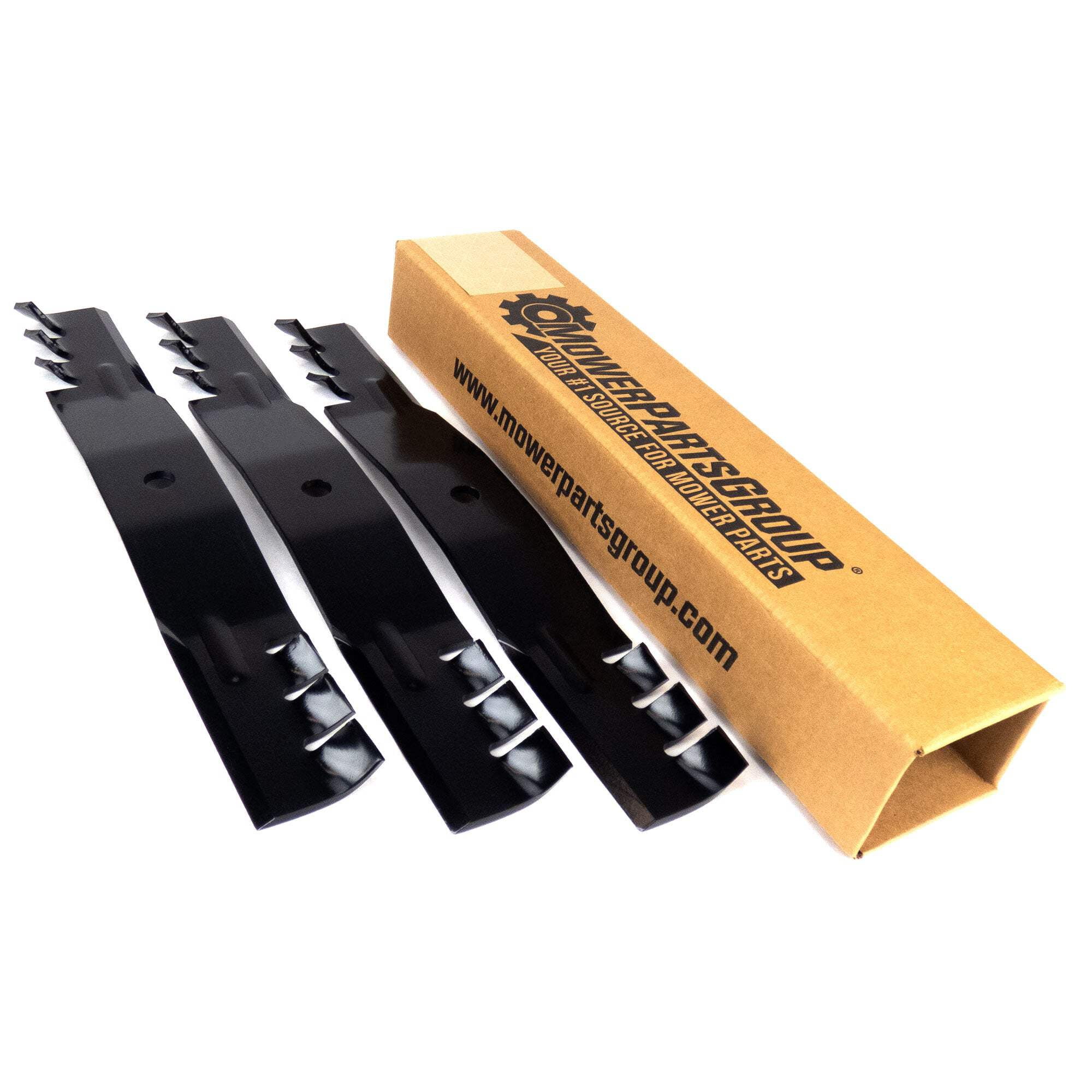
Credit: www.macommune.info
Summary Table: Signs Your Hedge Trimmer Blade Needs Replacement
| Sign | What It Means | Why Replace |
|---|---|---|
| Poor Cutting | Blade is dull or damaged | Ensures clean cuts and easier work |
| Visible Damage | Chips, cracks, or missing teeth | Prevents poor performance and safety risks |
| Slow or Stuck Blade | Blade or parts are worn | Maintains smooth operation |
| Strange Noises | Grinding or rattling sounds | Avoids further damage |
| Loose Blade | Blade does not fit tightly | Prevents accidents |
| Overheating | Dull blade strains motor | Protects tool from damage |
| Rust or Corrosion | Blade metal is weak | Improves cutting and safety |
Final Thoughts
Your hedge trimmer blade is very important. A good blade makes your garden work easier and safer. Watch for signs like poor cutting, damage, or rust. Replace the blade when needed. Also, keep your blade clean and oiled. This keeps it sharp and strong for longer. Taking care of your blade saves money and keeps your garden looking nice.
Frequently Asked Questions
How Do I Know If My Hedge Trimmer Blade Is Dull?
Dull blades cut unevenly and pull at branches. If trimming feels harder, the blade likely needs replacing.
What Are Common Signs Of A Damaged Hedge Trimmer Blade?
Look for bent teeth, missing parts, or rust. These signs reduce cutting power and safety.
Can A Dull Hedge Trimmer Blade Damage Plants?
Yes. Dull blades tear branches, causing harm and slow plant growth. Sharp blades make clean cuts.
How Often Should I Replace My Hedge Trimmer Blade?
Replace blades when you notice poor cutting or visible damage. Frequency depends on use and maintenance.